EUMaster4HPC Phase 2 aims to equip 400 students with the advanced computing skills and expertise needed to support Europe’s research, innovation and technological development.
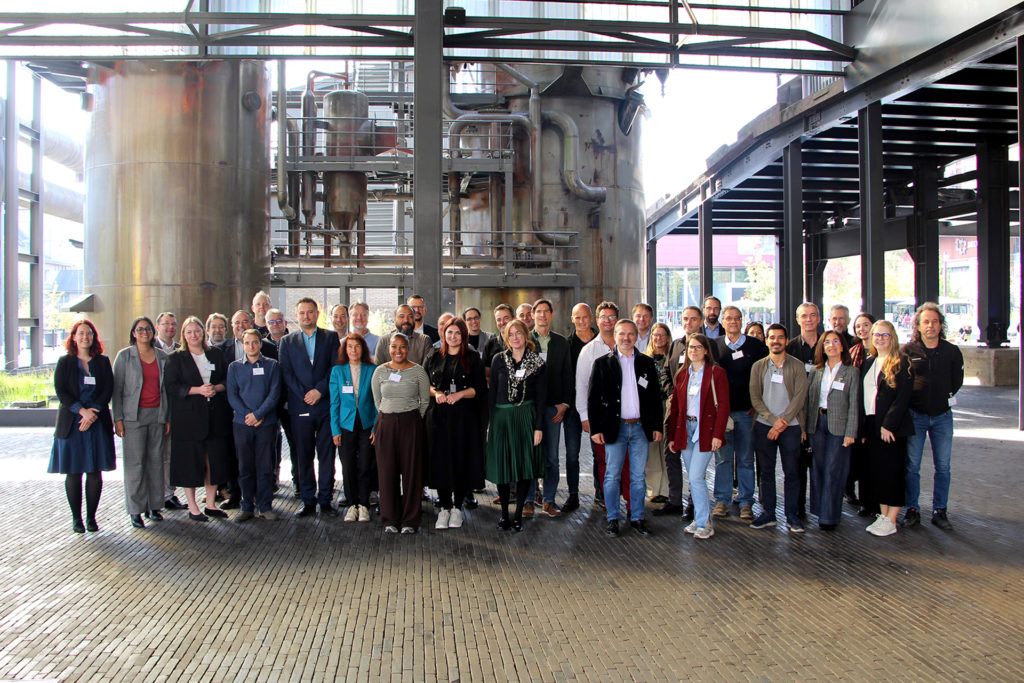
EUMaster4HPC Phase 2 was launched on 7 October 2026 at the University of Luxembourg, bringing together more than 40 representatives from consortium partners to define the priorities for the next stage of the European initiative. The kick-off meeting marked the transition from the pilot phase to an expanded programme designed to develop the skills needed in high-performance computing (HPC) across Europe.
Professor Marko Rančić, Project Coordinator at the University of Luxembourg, opened the meeting with an overview of the project’s objectives and expected impact. Dr Daniel Opalka, Head of Unit for Research & Innovation at the EuroHPC Joint Undertaking (EuroHPC JU), highlighted the European strategic perspective and the importance of strengthening Europe’s HPC skills ecosystem. Professor Pascal Bouvry presented the transition to Phase 2, building on the achievements and lessons learned during the pilot phase.
Expanding the programme and its European network
EUMaster4HPC Phase 2 aims to educate 400 students across four cohorts. The curriculum is expected to grow through two new specialisations in Artificial Intelligence (AI) and Quantum Computing, complementing the four existing specialisations. The consortium also plans to open calls for additional universities to join the network as awarding universities, with the aim of increasing their number from nine to up to twelve by the end of the project.
The programme will continue to develop a joint curriculum, student mobility arrangements and student support. Closer links with research, supercomputing centres and industry are also a priority. Through internships, industrial projects and mentoring, the project aims to connect academic learning with practical experience and the needs of the wider HPC ecosystem.
Preparing for implementation
The kick-off meeting focused on translating the project’s ambitions into a concrete action plan for the first year. Consortium partners discussed priorities, responsibilities and milestones, alongside governance, quality assurance and risk management. Communication, dissemination and long-term sustainability also formed part of the planning discussions.
As EUMaster4HPC enters its second phase, the consortium will work towards delivering the expanded educational programme and strengthening cooperation across its European network. By bringing together universities, research organisations, supercomputing centres and industry, the project aims to contribute to the development of the next generation of HPC specialists and support Europe’s growing need for advanced computing expertise.
Read more: Europe invests in the next generation of HPC, AI and Quantum Computing experts
Learn more about the EUMaster4HPC programme